Trace the water before selecting a system
A useful assessment starts with the pattern: water through a defined wall crack, seepage along the floor edge, damp masonry joints, or a wet area near a penetration. Tell us whether the problem follows brief storms, prolonged rain, or snowmelt. Plumbing leaks and condensation should also be considered so a waterproofing project is not aimed at the wrong source.
Foundation material affects the options. Poured concrete, block, and fieldstone have different joints, voids, and surface conditions. Existing coatings or finished walls can obscure water paths. Where practical, observations during or soon after wet weather can be more informative than a dry-day stain alone. Structural movement needs its own evaluation rather than being concealed by a waterproofing treatment.
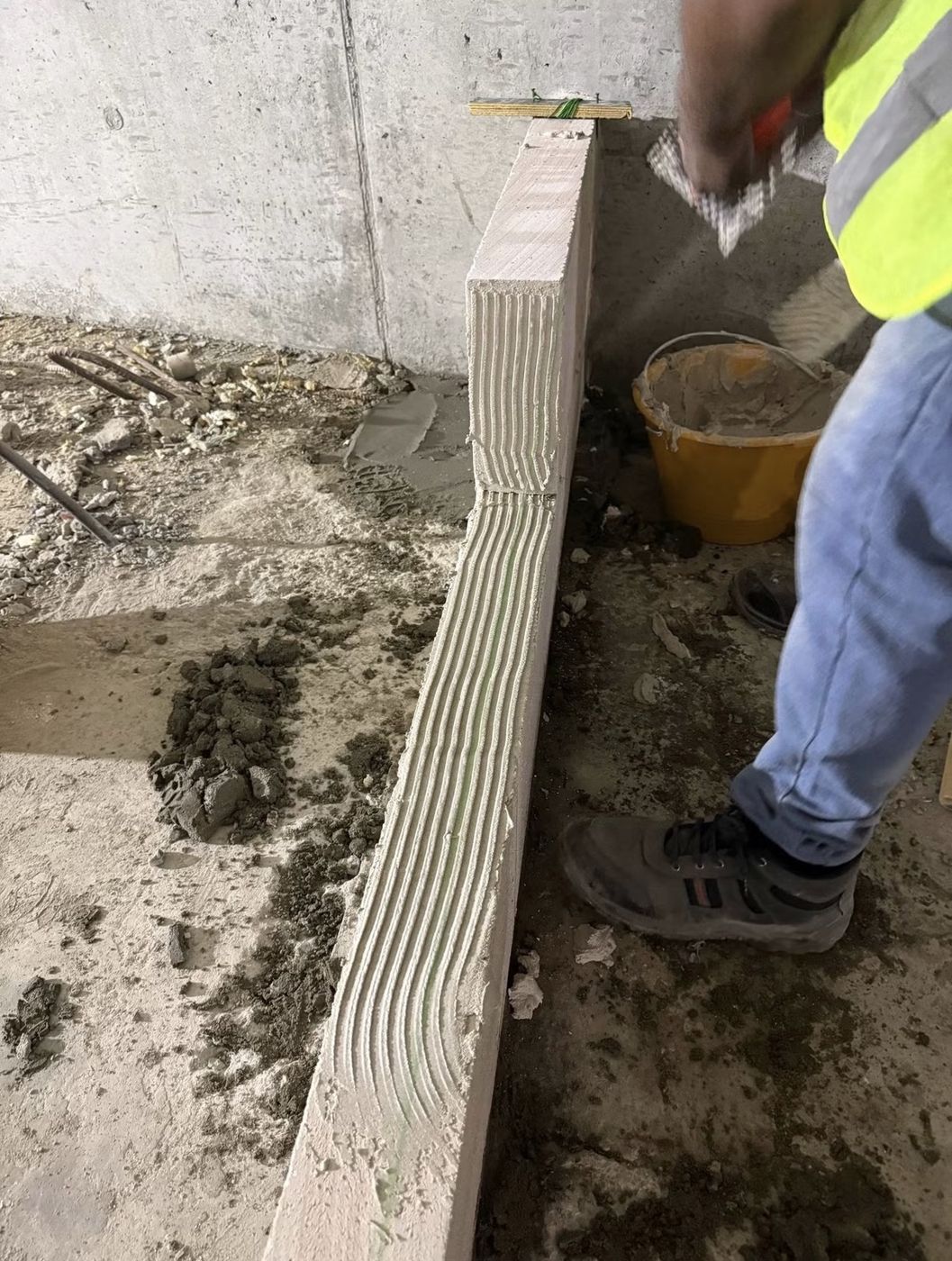
Compare exterior protection and interior water management
Exterior work may involve access to the wall, appropriate repair and waterproofing materials, protective layers, and coordinated drainage. Excavation constraints, utilities, nearby structures, and the condition of the foundation influence feasibility. A barrier must connect sensibly with penetrations and other details; an isolated treated patch may leave water another route into the basement.
Interior approaches may manage entering water through suitable collection and discharge systems, or address a specific repairable entry point. These approaches have different purposes from stopping water outside the wall. Where pumps are included, power, maintenance, discharge routing, and potential backup provisions need discussion. A system that collects water should not be described as making the exterior foundation permanently dry.
Set expectations before finishing the basement
The scope should explain what water condition it addresses and what maintenance remains necessary. Confirm the behavior of the basement through relevant wet conditions before covering affected areas with finishes. Humidity may still require separate control after leaks are addressed. Contact Batista Concrete at (978) 609-6729 to discuss your observations, previous treatments, and whether the basement is currently finished or accessible.
Benefits
- Links proposed work to an observed water-entry pattern.
- Distinguishes exterior barriers from interior collection systems.
- Accounts for foundation material and excavation access.
- Supports informed decisions before basement finishing work.
Common applications
- Water entering through suitable foundation wall cracks.
- Seepage at basement wall-floor connections.
- Below-grade wall leakage during prolonged rain.
- Waterproofing planning before basement renovation.
Basement Waterproofing in Methuen and nearby communities
Spring snowmelt and wet weather can expose basement leakage in Methuen, Lawrence, and Haverhill. Older fieldstone and block foundations common in the region need approaches suited to their construction. A home near the Merrimack River or Spicket River still needs an individual assessment; the location alone cannot identify the water source or determine the right waterproofing method.
Why contact Batista Concrete?
We're a local concrete contractor based at 477 Lowell St, Methuen, MA. Tell us about your project and we'll look at the site, talk through your options in plain language and put together a clear estimate — whether it's a small repair or a larger installation.